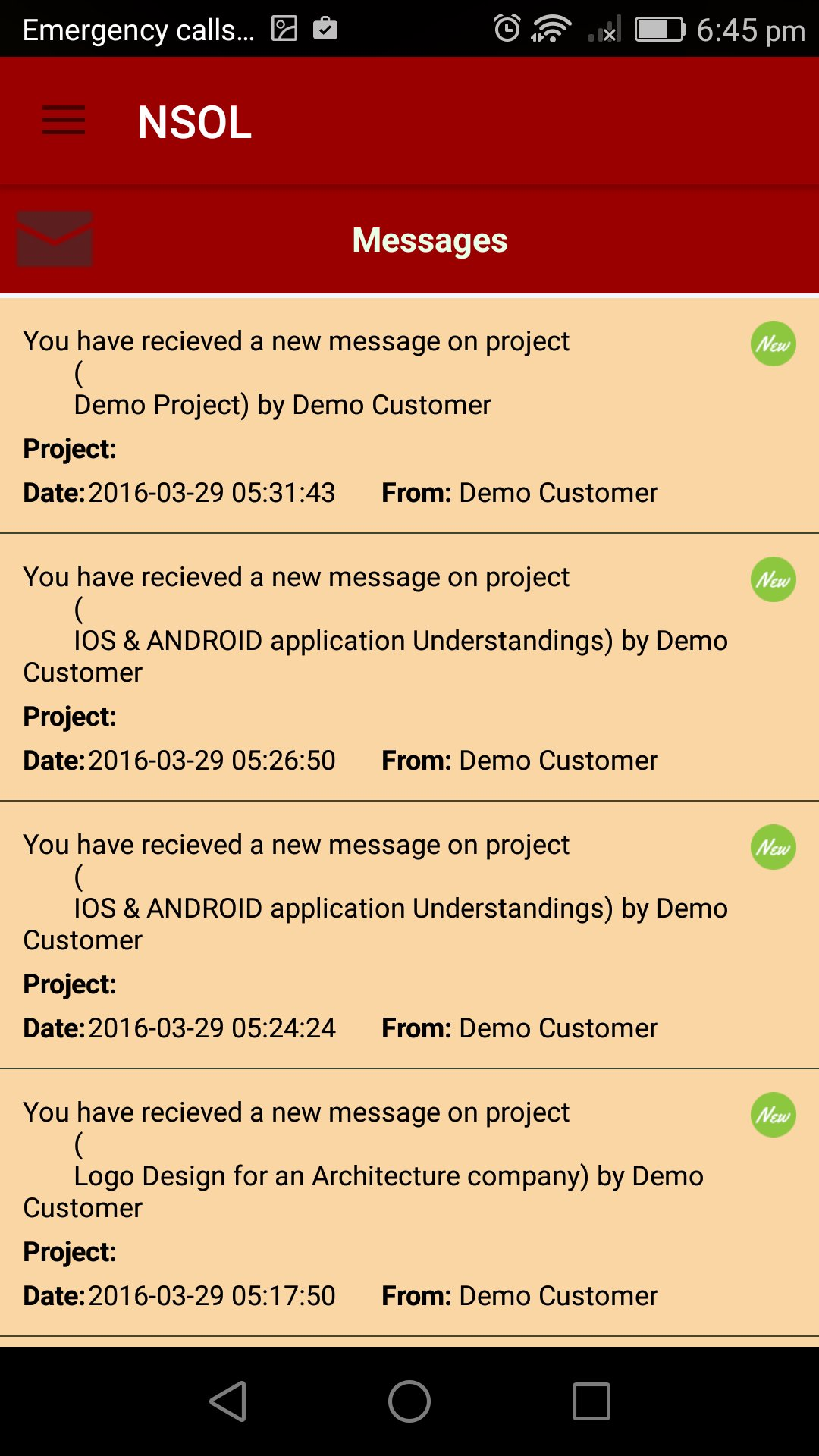
Welcome to “The Ultimate Guide to Nsol ERP: Everything You Need to Know”! If you’re looking to streamline your business processes, increase efficiency, and improve overall productivity, then you’ve come to the right place. In this comprehensive guide, we’ll walk you through everything you need to know about Nsol ERP – from its features and benefits to how it can revolutionize the way you run your business. So sit back, relax, and get ready to become an expert on all things Nsol ERP.
Overview of NSOL ERP
NSOL ERP is a comprehensive enterprise resource planning software that is designed to streamline business operations and improve efficiency. This software offers a wide range of features to help organizations manage their resources, including finances, human resources, inventory, and customer relationships. NSOL ERP is a cloud-based solution, which means that it can be accessed from anywhere with an internet connection. This allows businesses to access real-time data and make informed decisions quickly.
One of the key features of NSOL ERP is its ability to integrate with other systems, such as CRM software, e-commerce platforms, and supply chain management tools. This integration allows organizations to centralize their data and improve collaboration between different departments. By automating tasks and workflows, NSOL ERP helps businesses reduce manual errors and save time on repetitive tasks.
NSOL ERP also offers advanced reporting and analytics capabilities, allowing organizations to track KPIs, analyze trends, and make data-driven decisions. With customizable dashboards and real-time alerts, managers can stay on top of key metrics and monitor performance across the organization. This visibility into business operations enables companies to identify areas for improvement and optimize processes for greater efficiency.
Another benefit of NSOL ERP is its scalability, making it suitable for businesses of all sizes. Whether you are a small startup or a large enterprise, NSOL ERP can be tailored to meet your specific needs and grow with your business. This flexibility ensures that organizations can adapt to changing market conditions and stay competitive in today’s fast-paced business environment.
Overall, NSOL ERP is a powerful tool for organizations looking to streamline their operations, improve productivity, and drive growth. With its comprehensive features, integration capabilities, and scalability, NSOL ERP offers a complete solution for managing resources and optimizing business processes.
Features and benefits of NSOL ERP
NSOL ERP is a comprehensive business management solution designed to streamline processes and improve efficiency in organizations. With a wide range of features and benefits, NSOL ERP offers a variety of tools to help businesses optimize their operations and enhance overall performance. Here are some key features and benefits of NSOL ERP:
1. Centralized data management: NSOL ERP provides a centralized platform for storing and managing all essential business data. This allows employees to access accurate and up-to-date information in real-time, eliminating the need for manual data entry and reducing the risk of errors. With all data stored in one place, organizations can make informed decisions and improve overall productivity.
2. Improved collaboration: One of the standout benefits of NSOL ERP is its ability to promote collaboration among employees. By centralizing communication and information sharing, NSOL ERP ensures that teams can work together seamlessly on projects and tasks. This enhanced collaboration leads to faster decision-making, increased productivity, and a more cohesive work environment.
3. Customizable modules: NSOL ERP offers a range of customizable modules to meet the specific needs of different industries and organizations. Whether it’s inventory management, financial reporting, or customer relationship management, NSOL ERP can be tailored to fit the unique requirements of a business. This flexibility allows companies to adapt the system to their changing needs and scale as they grow.
4. Automation of repetitive tasks: NSOL ERP automates many repetitive tasks, such as data entry, calculations, and reporting. By eliminating manual processes, employees can focus on more strategic activities that add value to the business. This automation not only saves time and reduces errors but also improves overall efficiency and productivity.
5. Real-time analytics and reporting: NSOL ERP enables users to access real-time analytics and reporting tools to monitor performance, track key metrics, and identify trends. With customizable dashboards and reports, organizations can gain valuable insights into their operations and make data-driven decisions to drive growth and profitability.
6. Scalability and flexibility: NSOL ERP is highly scalable and flexible, making it suitable for businesses of all sizes and industries. Whether a company is a small startup or a large enterprise, NSOL ERP can be customized and expanded to meet its specific needs. This scalability ensures that organizations can grow and evolve without outgrowing their ERP system.
7. Cost-effective solution: NSOL ERP offers a cost-effective solution for businesses looking to streamline their operations and improve efficiency. By consolidating multiple systems into one integrated platform, organizations can reduce IT costs, eliminate redundancies, and achieve a higher return on investment. The benefits of NSOL ERP far outweigh the initial investment, making it a valuable asset for any business.
Overall, NSOL ERP offers a comprehensive set of features and benefits to help organizations streamline processes, improve collaboration, and drive growth. With its centralized data management, customizable modules, and real-time analytics, NSOL ERP is a powerful tool for businesses looking to stay competitive in today’s fast-paced market.
Implementation process of NSOL ERP
Implementing NSOL ERP is a smooth and structured process that involves several key steps to ensure successful integration into a company’s existing systems. The implementation process typically begins with an initial consultation between the NSOL team and the client to understand the company’s specific needs and requirements. This step is crucial in determining the scope of the project and identifying any potential challenges that may arise during implementation.
Once the initial consultation is complete, the NSOL team will begin the process of customization and configuration of the ERP system to meet the client’s unique needs. This step involves tailoring the software to the specific requirements of the company, including customizing modules, workflows, and reports. The customization process is essential in ensuring that the ERP system aligns with the company’s existing business processes and workflows.
After customization is complete, the next step in the implementation process is data migration. This step involves transferring data from the company’s existing systems to the new NSOL ERP system. Data migration is a critical step in ensuring that the company’s historical data is accurately transferred to the new system, allowing for seamless continuity in business operations. The NSOL team will work closely with the company to ensure that data migration is completed efficiently and accurately.
Once data migration is complete, the focus shifts to training and testing. Training is essential in ensuring that employees are familiar with the new ERP system and understand how to use it effectively. The NSOL team will provide comprehensive training to employees at all levels of the company to ensure a smooth transition to the new system. Additionally, testing is conducted to identify any potential issues or bugs in the system before it goes live, ensuring a seamless implementation process.
Finally, the last step in the NSOL ERP implementation process is going live. This step involves launching the new ERP system and transitioning to full-scale operations. The NSOL team will work closely with the company to ensure that the system is functioning correctly and that any issues that arise are addressed promptly. Going live with NSOL ERP marks the final stage of the implementation process and sets the stage for ongoing support and maintenance to ensure the continued success of the system.
In conclusion, the implementation process of NSOL ERP is a well-structured and comprehensive process that involves multiple key steps to ensure a successful integration into a company’s existing systems. From initial consultation and customization to data migration, training, testing, and going live, the NSOL team works closely with the client to ensure a seamless transition to the new ERP system. By following a structured implementation process, companies can maximize the benefits of NSOL ERP and drive efficiency and growth in their business operations.
Case studies of businesses using NSOL ERP
NSOL ERP is a popular software solution that has been adopted by many businesses to streamline their operations and improve efficiency. Let’s take a look at some case studies of businesses that have successfully implemented NSOL ERP:
1. XYZ Corp: XYZ Corp is a manufacturing company that was facing challenges with inventory management and production scheduling. After implementing NSOL ERP, they were able to automate their processes and centralize their data, leading to better decision-making and increased productivity. With the help of NSOL ERP, XYZ Corp was able to reduce lead times and improve on-time delivery to clients.
2. ABC Retail: ABC Retail is a chain of retail stores that wanted to improve their customer service and inventory accuracy. By implementing NSOL ERP, they were able to integrate their online and offline sales channels, allowing them to have real-time visibility of their inventory levels. This helped ABC Retail to avoid stockouts and overstock situations, leading to a significant increase in sales and customer satisfaction.
3. LMN Services: LMN Services is a service-based company that was struggling with manual processes and inefficient communication among different departments. With NSOL ERP, they were able to automate their billing and invoicing processes, leading to faster payments and improved cash flow. The integrated communication features of NSOL ERP also helped LMN Services to streamline their workflows and improve collaboration among employees.
4. PQR Tech: PQR Tech is a technology company that was looking to improve their project management and resource allocation. By implementing NSOL ERP, they were able to track project timelines, budgets, and resource utilization in real-time. This helped PQR Tech to optimize their project schedules, allocate resources more effectively, and deliver projects on time and within budget.
NSOL ERP has proven to be a valuable tool for businesses across various industries, helping them to improve their operations, reduce costs, and drive growth. By leveraging the features and capabilities of NSOL ERP, businesses can gain a competitive edge in today’s fast-paced business environment.
Future trends in NSOL ERP technology
NSOL ERP technology is constantly evolving to meet the ever-changing needs of businesses. As we look to the future, there are several trends that are likely to shape the development of NSOL ERP software.
1. Cloud-based solutions: One of the biggest trends in NSOL ERP technology is the shift towards cloud-based solutions. Cloud-based ERP systems offer a number of benefits, including lower upfront costs, increased flexibility, and better scalability. As more and more businesses move their operations to the cloud, we can expect to see an increase in the number of NSOL ERP solutions that are offered as cloud-based services.
2. Artificial intelligence and machine learning: Another trend that is likely to impact NSOL ERP technology in the future is the incorporation of artificial intelligence and machine learning capabilities. These technologies can help businesses automate repetitive tasks, improve decision-making processes, and gain valuable insights from their data. As AI and machine learning continue to advance, we can expect to see them play a larger role in NSOL ERP systems.
3. Mobile functionality: In today’s fast-paced world, it is essential for businesses to have access to their ERP systems on the go. This is why mobile functionality is becoming increasingly important in NSOL ERP technology. With mobile ERP applications, employees can access real-time data, collaborate with colleagues, and make informed decisions from anywhere in the world. This trend is likely to continue in the future, with more NSOL ERP solutions offering robust mobile capabilities.
4. Integration with other systems: As businesses become more interconnected, the need for seamless integration between different software systems is growing. This is why integration capabilities are becoming a key focus in NSOL ERP technology. In the future, we can expect to see NSOL ERP solutions that are designed to easily integrate with other business applications, such as CRM systems, e-commerce platforms, and supply chain management tools.
5. Personalization and customization: One of the most exciting trends in NSOL ERP technology is the focus on personalization and customization. Businesses are increasingly looking for ERP solutions that can be tailored to their specific needs and workflows. In the future, we can expect to see NSOL ERP systems that offer more options for customization, allowing businesses to create a solution that is truly unique to their organization. This trend will empower businesses to optimize their processes, improve efficiency, and drive growth in a way that is tailored to their individual requirements.
Overall, the future of NSOL ERP technology is looking bright, with exciting trends on the horizon. From cloud-based solutions to artificial intelligence capabilities, businesses can expect to see a range of innovative features and functionalities in NSOL ERP systems in the years to come.