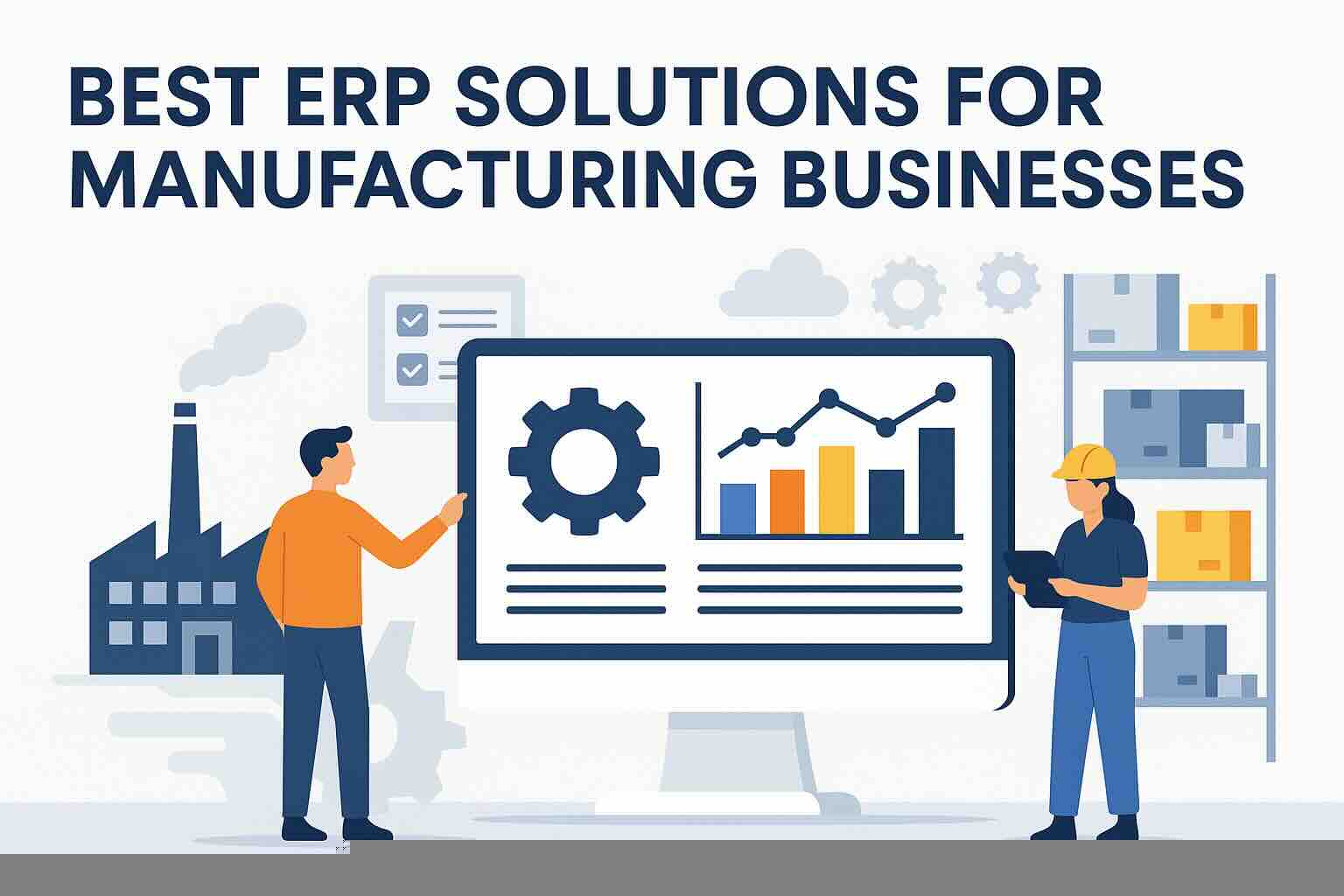
Welcome to our article on optimizing efficiency with ERP solutions for custom manufacturing! In today’s fast-paced business world, custom manufacturers are constantly seeking ways to streamline their processes and increase productivity. Enterprise Resource Planning (ERP) systems offer a comprehensive solution to help companies better manage their operations, from order processing to inventory management. By leveraging ERP software, custom manufacturers can improve their efficiency, reduce costs, and ultimately enhance customer satisfaction. Let’s explore how ERP solutions can transform the custom manufacturing industry!
Streamlining Production Processes with ERP
ERP (Enterprise Resource Planning) software is a game-changer for custom manufacturing companies looking to streamline their production processes. By integrating all aspects of your business – from inventory management to order processing and production scheduling – ERP systems provide real-time data and insights that enable you to make informed decisions and optimize your operations.
One of the key benefits of using ERP for custom manufacturing is the ability to automate tasks that were once manual, time-consuming, and error-prone. For example, with ERP, you can create automated workflows that track the progress of each order through production, alerting you to any delays or issues that may arise. This not only saves time but also ensures that orders are completed on time and to the customer’s satisfaction.
ERP also allows you to centralize your production data in one system, making it easy for everyone in your organization to access the information they need to do their jobs effectively. Whether it’s tracking inventory levels, monitoring production costs, or analyzing quality control metrics, ERP provides a comprehensive view of your operations that empowers your team to make strategic decisions that drive productivity and profitability.
Furthermore, ERP systems enable you to optimize your production scheduling by providing real-time visibility into your capacity and resource availability. By using built-in scheduling tools, you can create accurate production plans that balance demand with capacity constraints, minimizing lead times and maximizing efficiency. This not only improves on-time delivery rates but also reduces production costs and waste, driving greater profitability for your custom manufacturing business.
Another advantage of using ERP for custom manufacturing is the ability to track performance metrics and analyze key performance indicators (KPIs) that measure the success of your production processes. With customizable dashboards and reporting tools, you can monitor metrics such as on-time delivery rates, production cycle times, and inventory turnover rates, helping you identify areas for improvement and make data-driven decisions that drive continuous improvement.
In conclusion, ERP is a powerful tool for custom manufacturing companies looking to streamline their production processes and drive greater efficiency and profitability. By automating tasks, centralizing data, optimizing scheduling, and tracking performance metrics, ERP systems provide the visibility and insights you need to make informed decisions that improve your operations and drive business growth. If you haven’t already invested in an ERP system for your custom manufacturing business, now is the time to consider making the switch and reaping the benefits of a streamlined production process.
Tailoring ERP Solutions for Custom Manufacturing
When it comes to custom manufacturing, a one-size-fits-all ERP solution simply won’t cut it. Every custom manufacturing business has its own unique processes, workflows, and requirements that must be taken into consideration when implementing an ERP system. This is why it’s crucial to work with a vendor who understands the complexities of custom manufacturing and can tailor their ERP solutions to meet your specific needs.
Custom manufacturing businesses often have intricate production processes that involve a high level of customization and flexibility. This means that your ERP system must be able to accommodate a wide range of different product configurations, work orders, and quality control measures. A generic ERP system may not have the necessary flexibility to handle these complexities, leading to inefficiencies and errors in your production process.
One of the key benefits of tailoring an ERP solution for custom manufacturing is the ability to streamline and automate your processes. By customizing your ERP system to match the unique needs of your business, you can eliminate bottlenecks, reduce manual data entry, and improve overall efficiency. This can help you to reduce lead times, increase production capacity, and ultimately improve your bottom line.
Another important aspect of custom manufacturing is the need for accurate and real-time data. With a tailored ERP solution, you can ensure that all of your data is integrated and up-to-date, allowing you to make better-informed decisions about your business. This can help you to optimize your production schedules, manage your inventory more effectively, and identify areas for improvement in your processes.
Furthermore, a customized ERP solution can also help you to meet the unique compliance and regulatory requirements of the custom manufacturing industry. Whether you need to track and trace materials, comply with industry standards, or maintain detailed records for audits, a tailored ERP system can help you to ensure that you are meeting all of your obligations.
In conclusion, when it comes to custom manufacturing, a generic ERP solution simply won’t suffice. By working with a vendor who understands the complexities of custom manufacturing and can tailor their ERP solutions to meet your specific needs, you can streamline your processes, improve efficiency, and ensure compliance with industry regulations. So, if you’re in the custom manufacturing business, make sure to invest in a customized ERP solution that is designed to help your business succeed.
Enhancing Inventory Management through ERP
Inventory management plays a crucial role in the success of any custom manufacturing business. With the help of an ERP system, businesses can streamline their inventory processes and improve efficiency. ERP software allows companies to track and manage inventory levels in real-time, enabling them to make informed decisions regarding stock replenishment, order fulfillment, and production scheduling.
One key feature of ERP systems that enhances inventory management is demand forecasting. By analyzing historical sales data and market trends, ERP software can accurately predict future demand for products. This enables manufacturers to optimize their inventory levels and prevent stockouts or overstock situations. With a better understanding of demand patterns, businesses can reduce carrying costs and improve cash flow.
Another important aspect of inventory management that can be improved through ERP is inventory tracking. ERP systems provide real-time visibility into the movement of goods throughout the supply chain, from raw materials to finished products. This transparency allows businesses to monitor stock levels, track order status, and identify potential bottlenecks in the production process. By having a comprehensive view of their inventory, companies can minimize stock discrepancies, reduce waste, and improve overall efficiency.
ERP software also offers advanced inventory control features such as lot tracking and serial number tracking. By assigning unique identifiers to individual units of products, manufacturers can trace the history and location of each item in their inventory. This level of traceability is especially important for industries with strict regulatory requirements, such as food, pharmaceuticals, and electronics. Lot and serial number tracking capabilities in ERP systems help businesses ensure product quality, comply with industry standards, and quickly respond to any product recalls.
Furthermore, ERP systems can automate the replenishment process through features like reorder point planning and automatic reorder triggers. By setting up minimum stock levels and reorder points in the ERP system, businesses can establish a systematic approach to replenishing inventory. When stock levels reach a specified threshold, the ERP system can generate purchase orders or production orders automatically, saving time and reducing the risk of stockouts. This automated approach to inventory management helps businesses maintain optimal stock levels, reduce lead times, and improve customer satisfaction.
In conclusion, ERP systems offer custom manufacturing businesses a comprehensive solution for enhancing inventory management. By leveraging demand forecasting, inventory tracking, lot tracking, and automated replenishment features in ERP software, companies can optimize their inventory processes, reduce costs, and improve overall efficiency. With a well-implemented ERP system, custom manufacturers can stay ahead of their competition and meet the demands of a rapidly changing market.
Tracking Custom Orders with ERP
When it comes to custom manufacturing, tracking orders accurately is crucial to ensuring that each customer receives the unique product they ordered on time and as specified. This is where an ERP system tailored for custom manufacturing can really shine. With ERP software, manufacturers can easily track every aspect of a custom order from start to finish.
One of the key features of ERP for custom manufacturing is the ability to create detailed order profiles for each customer. These profiles can include specific requirements, preferences, and any other special instructions that need to be followed for each custom order. By having all of this information stored in one centralized system, manufacturers can ensure that nothing is overlooked or forgotten when working on a custom project.
ERP systems also allow manufacturers to track the progress of each custom order in real-time. This means that they can easily see where each order is in the production process, whether it’s waiting for materials to be delivered, being worked on by a specific team, or ready to be shipped out to the customer. By having this level of visibility, manufacturers can better manage their production schedule and ensure that custom orders are completed on time.
Another benefit of using ERP for custom manufacturing is the ability to automate workflow processes. This can help streamline production, reduce errors, and improve overall efficiency. For example, manufacturers can set up automated alerts to notify them when a custom order is ready to be processed or when a certain task needs to be completed. This can help eliminate bottlenecks in the production process and ensure that orders are completed in a timely manner.
Furthermore, ERP systems can also help manufacturers better manage their inventory levels when working on custom orders. By keeping track of materials and components in real-time, manufacturers can prevent shortages or overstocking of items needed for custom projects. This can help reduce costs and improve overall inventory management practices.
In conclusion, tracking custom orders with ERP software can greatly benefit manufacturers in the custom manufacturing industry. By creating detailed order profiles, tracking order progress in real-time, automating workflow processes, and managing inventory levels more effectively, manufacturers can improve their production process, reduce errors, and ensure that custom orders are completed on time and as specified. ERP systems tailored for custom manufacturing provide the tools and functionality needed to streamline operations and enhance customer satisfaction.
Improving Communication and Collaboration in Custom Manufacturing with ERP
Communication and collaboration are key components in the success of any custom manufacturing operation. With the implementation of an Enterprise Resource Planning (ERP) system, these elements can be greatly enhanced, leading to more streamlined processes and improved efficiency. ERP can provide a centralized platform for all stakeholders in the manufacturing process to communicate effectively and collaborate on projects in real-time.
One of the main ways ERP improves communication in custom manufacturing is by centralizing all relevant information in one place. This means that all team members, from designers to production managers to sales representatives, can access the same data and documents at any time. This eliminates the need for back-and-forth emails and phone calls to get information, reducing the risk of miscommunication and delays in the production process.
Additionally, ERP systems often come equipped with communication tools such as instant messaging and discussion boards, allowing team members to communicate quickly and easily. This real-time communication can help resolve issues faster, answer questions promptly, and keep everyone on the same page regarding project updates and deadlines.
ERP systems also facilitate collaboration among team members by providing a platform for sharing and editing documents, tracking changes, and assigning tasks. For example, designers can upload their CAD files directly into the system, allowing production managers to review and provide feedback in real-time. Sales representatives can access up-to-date pricing information and product catalogs, enabling them to provide accurate quotes and proposals to customers.
Moreover, ERP systems can improve collaboration with external partners, such as suppliers and subcontractors. By integrating these partners into the ERP system, custom manufacturers can streamline communication, share information, and coordinate deliveries more efficiently. This can help reduce lead times, ensure on-time delivery of materials, and enhance overall product quality.
Another benefit of ERP systems in custom manufacturing is the ability to track project progress and performance metrics in real-time. By providing visibility into key performance indicators such as production output, inventory levels, and order fulfillment rates, ERP systems enable team members to identify bottlenecks, optimize processes, and make data-driven decisions to improve overall efficiency.
In conclusion, ERP systems play a crucial role in improving communication and collaboration in custom manufacturing. By centralizing information, facilitating real-time communication, enabling document sharing and editing, and providing visibility into performance metrics, ERP systems help streamline processes, enhance efficiency, and ultimately drive success in the custom manufacturing industry.