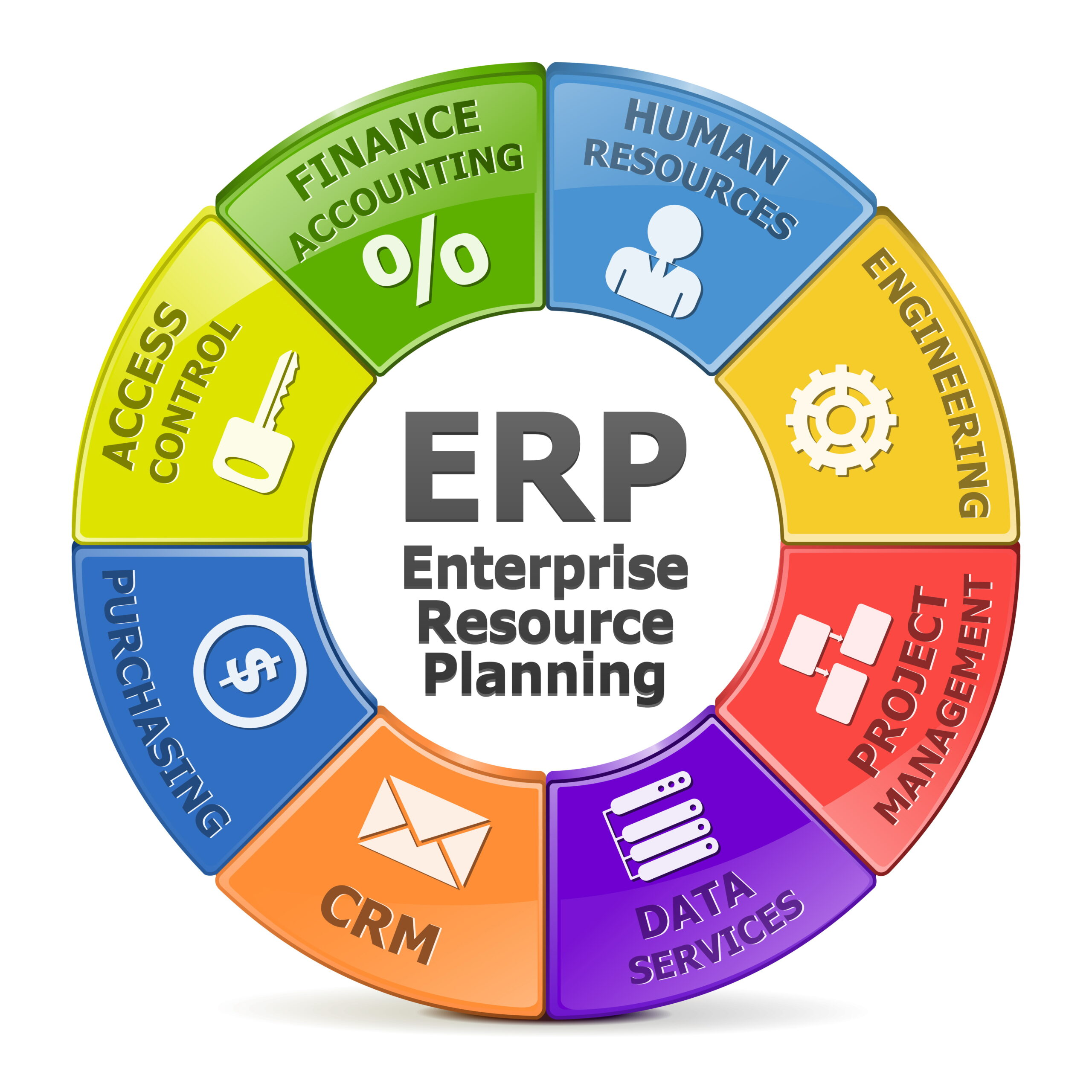
Welcome to The Essential Guide to ERP! Whether you’re a business owner, manager, or simply curious about ERP systems, this guide is here to help you navigate the complex world of Enterprise Resource Planning. ERP can be a game-changer for organizations looking to streamline their operations, improve efficiency, and stay ahead of the competition. In this article, we will break down the basics of ERP, explore its benefits, and provide tips on how to successfully implement an ERP system. So sit back, relax, and get ready to dive into the world of ERP!
Overview of ERP and its benefits
ERP, which stands for Enterprise Resource Planning, is a software system that integrates various functions within an organization such as accounting, human resources, supply chain management, and customer relationship management. This integration allows for better coordination and communication between different departments, resulting in improved efficiency and productivity.
One of the main benefits of ERP is increased efficiency. By having all departments working from the same system, information is easily shared and accessible, eliminating the need for manual data entry and reducing the likelihood of errors. This streamlining of processes allows employees to focus on more important tasks, leading to overall improved productivity.
Another advantage of ERP is improved decision-making. With all relevant data centralized in one system, management can easily access real-time information to make informed decisions quickly. This helps in identifying trends, forecasting future needs, and adapting to changes in the market, giving the organization a competitive edge.
ERP also promotes collaboration within the organization. With a centralized system, employees from different departments can access the same information, facilitating communication and cooperation. This leads to a more unified workforce, breaking down silos and promoting a culture of collaboration and teamwork.
Furthermore, ERP helps in standardizing processes. By following a set of predefined workflows and procedures, organizations can ensure consistency and quality in their operations. This standardization not only improves efficiency but also helps in achieving regulatory compliance and meeting industry standards.
Additionally, ERP can lead to cost savings. By streamlining processes, eliminating redundancies, and reducing errors, organizations can reduce operational costs and increase profitability. Further, by providing insights into resource allocation and utilization, ERP can help in optimizing resource management and reducing wastage.
Lastly, ERP enhances customer satisfaction. With all relevant customer data available in one system, organizations can provide personalized service, respond to inquiries quickly, and address customer concerns efficiently. This ensures a better customer experience, leading to increased loyalty and repeat business.
In conclusion, ERP is a powerful tool that can transform the way organizations manage their resources, improve efficiency, and drive growth. By integrating various functions within a single system, organizations can achieve increased efficiency, improved decision-making, enhanced collaboration, standardized processes, cost savings, and better customer satisfaction. Embracing ERP can give organizations a competitive advantage in today’s fast-paced and dynamic business environment.
Key features of ERP software
ERP software offers a wide range of features that make it a valuable tool for businesses of all sizes. One of the key features of ERP software is its ability to integrate various business functions into one central system. This means that all departments within a company – such as finance, human resources, inventory, and sales – can access the same information in real time. This streamlines communication and collaboration between different departments, leading to improved decision-making and increased efficiency.
Another important feature of ERP software is its ability to automate routine tasks and processes. By automating tasks such as data entry, invoicing, and reporting, ERP software reduces the amount of manual work required from employees. This not only saves time and reduces the risk of errors, but also allows employees to focus on more strategic tasks that drive business growth.
Additionally, ERP software offers powerful reporting and analytics capabilities. With ERP software, businesses can generate customized reports and dashboards that provide insights into key performance indicators (KPIs) and trends. This allows businesses to make data-driven decisions and identify areas for improvement. By having access to real-time data, businesses can quickly respond to changing market conditions and make informed decisions that drive profitability.
Furthermore, ERP software provides scalability and flexibility for growing businesses. As businesses expand and evolve, their needs and requirements change. ERP software can easily adapt to these changes by adding new modules or functionalities. This means that businesses can continue using the same ERP system as they grow, without the need to invest in new software solutions.
One of the most valuable features of ERP software is its ability to improve customer relationships. By centralizing customer data and interactions, ERP software enables businesses to provide personalized and timely customer service. This leads to increased customer satisfaction and loyalty, ultimately driving revenue and growth.
Overall, ERP software offers a comprehensive solution for businesses looking to streamline their operations, improve efficiency, and drive growth. With its wide range of features and capabilities, ERP software is a valuable tool for businesses of all sizes and industries.
Implementation steps for a successful ERP system
Implementing an ERP system can be a complex process that requires careful planning and execution. To ensure success, it is essential to follow a structured approach and consider all aspects of the implementation. Here are some key steps to consider when implementing an ERP system:
1. Planning and Preparation: Before implementing an ERP system, it is important to have a clear understanding of your organization’s needs and goals. Begin by defining the scope of the project, identifying key stakeholders, and developing a detailed project plan. Consider how the new system will impact your business processes and what changes will be required. It is also crucial to allocate resources and budget for the implementation.
2. Selection of the Right ERP System: Choosing the right ERP system for your organization is critical to the success of the implementation. Evaluate different vendors and solutions based on your requirements and budget. Consider factors such as functionality, scalability, ease of use, and vendor reputation. It is also important to involve key stakeholders in the selection process to ensure buy-in and support throughout the implementation.
3. Customization and Configuration: Once you have selected an ERP system, the next step is to customize and configure the system to meet your organization’s specific needs. This involves mapping your existing business processes to the new system, setting up user roles and permissions, and defining workflows. It is important to involve end-users in this process to ensure that the system is user-friendly and meets their needs. Additionally, consider engaging with the vendor or a third-party consultant to help with customization and configuration if needed.
Customization can involve modifying the system’s reports, user interfaces, workflows, and data fields to align with your organization’s unique requirements. Configuration, on the other hand, involves setting up the system’s settings, preferences, and modules to match your business processes. Both customization and configuration are essential for ensuring that the ERP system aligns with your organization’s goals and objectives.
Testing and Training: Before going live with the ERP system, it is crucial to thoroughly test the system to ensure that it functions as expected and meets your organization’s requirements. Develop a testing plan that covers all aspects of the system, including functionality, performance, and integration. Involve end-users in the testing process to gather feedback and address any issues that arise.
Training is another key aspect of a successful ERP implementation. Provide comprehensive training to end-users to ensure that they are comfortable using the new system and understand how it will impact their day-to-day tasks. Consider offering a mix of in-person training, online resources, and job aids to accommodate different learning styles and preferences. Training should be ongoing to support users as they adapt to the new system and to ensure that they continue to use it effectively.
Go-Live and Support: Once testing and training are complete, it is time to go live with the ERP system. Develop a go-live plan that outlines the steps for transitioning to the new system, including data migration, user access, and system cut-over. Monitor the system closely after go-live to identify any issues and address them promptly. Provide ongoing support to end-users to help them navigate the new system and troubleshoot any issues that arise.
Post-Implementation Review: After the ERP system has been live for some time, conduct a post-implementation review to evaluate its performance and identify areas for improvement. Gather feedback from end-users and key stakeholders to gain insights into how the system is being used and any challenges that have arisen. Use this feedback to make adjustments to the system, processes, or training to optimize its performance and maximize its value to the organization.
Overall, successful implementation of an ERP system requires careful planning, thorough preparation, and ongoing support. By following these key steps and involving key stakeholders throughout the process, you can ensure that your ERP system meets your organization’s needs and drives business success.
ERP Customization and Integration Options
When it comes to ERP systems, customization and integration options are essential features that help businesses adapt the software to fit their specific needs. When considering customization, businesses can choose to tailor the ERP system to meet their unique requirements. This involves making modifications to the software to align it with the organization’s workflows, processes, and industry-specific needs. Customization allows businesses to maximize the value they derive from the ERP system by ensuring that it meets their exact requirements.
There are several ways in which businesses can customize their ERP systems. One common approach is to customize the user interface to improve usability and enhance the overall user experience. This can include rearranging menus, adding custom fields, or creating new dashboards to make it easier for employees to access the information they need. Another customization option is to modify standard reports or create new reports to provide insights into specific business areas.
Integration is another crucial aspect of ERP customization. Businesses often utilize multiple software applications to manage different aspects of their operations, such as accounting, inventory management, and customer relationship management. Integrating these systems with the ERP system allows for seamless data flow between different applications, eliminating the need for manual data entry and reducing the risk of errors.
There are various integration options available for businesses looking to connect their ERP system with other software applications. One option is to use pre-built connectors or APIs provided by the ERP vendor to integrate with popular third-party software solutions. These connectors allow for easy data synchronization and automation between different systems, streamlining business processes and improving efficiency.
For businesses with unique integration requirements or specific third-party software applications that do not have pre-built connectors available, custom integration solutions may be necessary. Custom integration involves developing tailored solutions to connect the ERP system with other applications, ensuring seamless data transfer and compatibility between systems. While custom integration solutions may require more time and resources to implement, they offer businesses the flexibility to meet their specific integration needs.
In conclusion, ERP customization and integration options play a crucial role in helping businesses optimize their ERP systems to meet their unique requirements. Customization allows businesses to tailor the software to align with their processes and workflows, while integration enables seamless data flow between the ERP system and other software applications. By leveraging customization and integration options effectively, businesses can maximize the value they derive from their ERP systems and improve overall operational efficiency.
Future trends in ERP technology
With the rapid advancement of technology, the field of ERP is constantly evolving. Here are some exciting future trends to look out for in ERP technology:
1. Artificial Intelligence (AI): AI has already started making its way into ERP systems, offering automation and smart analytics capabilities. In the future, AI will become even more integral to ERP technology, allowing for more predictive and proactive decision-making based on real-time data analysis.
2. Internet of Things (IoT) integration: The IoT is not just a buzzword anymore – it’s becoming a reality in the world of ERP. Connecting devices, sensors, and machinery to ERP systems will provide real-time data on production processes, inventory levels, and equipment maintenance requirements, leading to more efficient operations and cost savings.
3. Cloud-based ERP solutions: Cloud computing has already revolutionized the way businesses operate, and ERP systems are no exception. Cloud-based ERP solutions offer flexibility, scalability, and cost-effectiveness compared to traditional on-premise systems. As more businesses embrace the cloud, we can expect to see even more advanced cloud-based ERP solutions in the future.
4. Mobile ERP applications: With the increasing use of mobile devices in the workplace, ERP vendors are focusing on developing mobile applications that allow users to access and manage ERP data on the go. Mobile ERP applications will continue to evolve, offering more features and functionalities to improve productivity and collaboration among employees.
5. Blockchain technology integration: One of the most exciting future trends in ERP technology is the integration of blockchain technology. Blockchain offers a secure and transparent way to record transactions, making it ideal for tracking supply chain processes, financial transactions, and data security in ERP systems. By leveraging blockchain technology, ERP systems will be able to provide a heightened level of security, trust, and accuracy in data management.
Overall, the future of ERP technology looks promising, with advancements in AI, IoT integration, cloud-based solutions, mobile applications, and blockchain technology shaping the way businesses operate and manage their operations. By staying informed and embracing these emerging trends, businesses can stay ahead of the curve and leverage the power of ERP technology to drive growth and success.