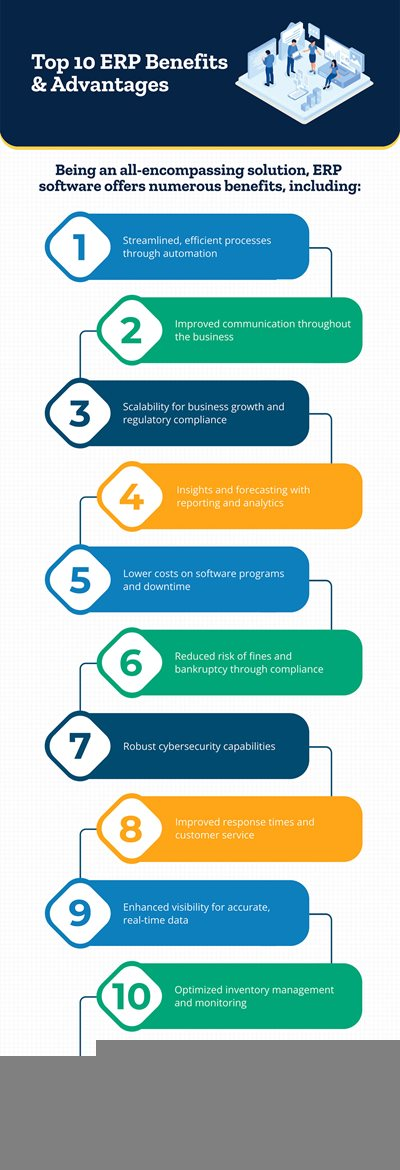
Welcome to a closer look at the numerous advantages of Envision ERP, a powerful software solution designed to streamline and optimize business operations. From enhancing efficiency to improving decision-making processes, Envision ERP offers a wide range of benefits for businesses of all sizes. Whether you’re looking to boost productivity, reduce costs, or better manage your resources, this innovative platform has you covered. Let’s delve into the various features and functionalities that make Envision ERP a game-changer for businesses in today’s competitive landscape.
The Importance of Envisioning Your ERP Implementation
Implementing an Enterprise Resource Planning (ERP) system can be a complex and challenging process for any organization. It involves integrating various business functions and processes into a single system to streamline operations and enhance efficiency. One of the key steps in a successful ERP implementation is envisioning the end result before embarking on the project.
Envisioning your ERP implementation involves creating a detailed roadmap of how the system will be implemented and utilized within your organization. This process allows you to clearly define your goals and objectives, as well as identify potential challenges and roadblocks that may arise during the implementation process. By taking the time to envision the end result, you can ensure that your ERP system is aligned with your business goals and objectives.
One of the main benefits of envisioning your ERP implementation is that it helps you to set realistic expectations for the project. By clearly defining your goals and objectives, you can better understand what needs to be done to achieve them and allocate the necessary resources and budget accordingly. This can help prevent scope creep and ensure that the project stays on track.
Envisioning your ERP implementation also allows you to get buy-in from key stakeholders within your organization. By involving stakeholders in the envisioning process, you can ensure that their concerns and priorities are taken into account when designing the system. This can help increase user adoption and overall satisfaction with the ERP system.
Another benefit of envisioning your ERP implementation is that it allows you to identify potential risks and challenges early on in the process. By conducting a thorough analysis of your current business processes and systems, you can identify areas that may need improvement or modification before implementing the ERP system. This can help prevent costly delays and disruptions during the implementation process.
Overall, the importance of envisioning your ERP implementation cannot be overstated. By taking the time to clearly define your goals and objectives, involve key stakeholders, and identify potential risks and challenges, you can set your organization up for a successful ERP implementation that will deliver tangible benefits and improve overall operational efficiency.
Key Considerations for Designing Your ERP System
When it comes to designing your ERP system, there are several key considerations that need to be taken into account to ensure the success and efficiency of your implementation. From understanding your business needs to choosing the right solution provider, here are some important factors to keep in mind:
1. Understand Your Business Needs: Before you start designing your ERP system, it is crucial to have a clear understanding of your business needs and requirements. Take the time to analyze your current processes, workflows, and pain points. Identify areas where an ERP system can help streamline operations, improve efficiency, and drive growth. By having a clear understanding of your business needs, you can ensure that the ERP system you design meets your unique requirements.
2. Consider Scalability and Flexibility: One of the most important considerations when designing your ERP system is scalability and flexibility. As your business grows and evolves, your ERP system should be able to scale and adapt to meet your changing needs. Consider factors such as the number of users, the volume of transactions, and the complexity of your operations. Choose an ERP solution that is flexible enough to accommodate growth and can be easily customized to meet your specific requirements. Additionally, make sure that the system can integrate seamlessly with other third-party applications and technologies to ensure smooth data flow and communication.
3. Select the Right Solution Provider: Choosing the right solution provider for your ERP system is essential to its success. Look for an experienced provider with a proven track record of delivering successful ERP implementations. Consider factors such as industry expertise, customer references, and the range of services and support offered. A reliable solution provider will not only help you design and implement your ERP system but will also provide ongoing support and maintenance to ensure its continued success.
4. Focus on User Experience: The success of your ERP system depends on how well your users adapt and utilize the system. When designing your ERP system, focus on creating a user-friendly interface that is intuitive and easy to navigate. Provide adequate training and support to help users understand the system and its benefits. Consider conducting user testing and gathering feedback to make any necessary adjustments to improve the overall user experience. By prioritizing user experience, you can increase user adoption rates and maximize the benefits of your ERP system.
5. Ensure Data Security and Compliance: Data security and compliance are critical considerations when designing your ERP system. Ensure that the system has robust security measures in place to protect sensitive data and prevent unauthorized access. Implement proper data management protocols and encryption methods to safeguard your information. Additionally, ensure that your ERP system complies with industry regulations and standards to avoid any potential legal issues or penalties. By prioritizing data security and compliance, you can build trust with your customers and stakeholders and protect your business from potential risks.
By keeping these key considerations in mind when designing your ERP system, you can create a solution that meets your business needs, drives growth, and ensures long-term success. Take the time to carefully evaluate your options, consult with experts, and invest in a reliable solution provider to help you design and implement a successful ERP system tailored to your unique requirements.
Benefits of Having a Clearly Defined ERP Vision
Having a clearly defined ERP vision is essential for the success of any organization that is implementing an ERP system. A well-thought-out ERP vision provides a roadmap for the organization, helping to align all stakeholders towards a common goal. Here are some benefits of having a clearly defined ERP vision:
1. Alignment of Goals:
When an organization has a clearly defined ERP vision, it helps in aligning the goals of different departments and functions towards a common objective. This alignment ensures that everyone is working towards the same outcome, which leads to increased efficiency and productivity.
2. Improved Decision Making:
With a clearly defined ERP vision, decision-making becomes easier for the management team. The vision serves as a guide for prioritizing tasks and making strategic decisions that are in line with the overall goals of the organization. This results in better decision-making processes and ensures that the organization stays focused on its long-term objectives.
3. Enhanced Employee Engagement:
One of the key benefits of having a clearly defined ERP vision is enhanced employee engagement. When employees understand the organization’s vision and how their individual roles contribute to achieving that vision, they are more motivated and engaged in their work. This leads to higher employee satisfaction, lower turnover rates, and increased productivity.
Moreover, a well-defined ERP vision creates a sense of purpose and direction for employees, helping them to see the bigger picture and understand how their efforts fit into the overall success of the organization. This empowerment and engagement of employees result in a positive work culture and a more cohesive team.
4. Efficient Resource Allocation:
Having a clearly defined ERP vision helps in efficient resource allocation within the organization. With a clear understanding of the organization’s goals and priorities, management can allocate resources, such as budget, manpower, and technology, in a way that maximizes the return on investment. This ensures that resources are used effectively and efficiently, leading to cost savings and improved operational performance.
5. Adaptability to Change:
Organizations with a clearly defined ERP vision are more adaptable to change. The vision provides a framework for assessing new opportunities or challenges and making informed decisions on how to respond to them. This adaptability allows the organization to stay ahead of the competition and thrive in a rapidly changing business environment.
In conclusion, having a clearly defined ERP vision is crucial for the success of any organization. It helps in aligning goals, improving decision-making, enhancing employee engagement, efficient resource allocation, and adaptability to change. By having a well-thought-out ERP vision, organizations can streamline their operations, drive growth, and achieve long-term success.
Best Practices for Developing an Effective ERP Strategy
Developing an effective ERP strategy is crucial for the success of your business. By following best practices, you can ensure that your ERP system meets the needs of your organization and drives efficiency. Here are some key guidelines to keep in mind when developing your ERP strategy:
1. Define Clear Objectives: Before implementing an ERP system, it is important to clearly define your objectives. What specific goals do you want to achieve with the ERP system? Do you want to streamline operations, improve decision-making processes, or enhance customer satisfaction? By setting clear objectives, you can ensure that the ERP system is aligned with the needs of your business.
2. Conduct a Comprehensive Analysis: Before selecting an ERP system, conduct a thorough analysis of your current business processes. Identify areas that need improvement and determine how an ERP system can address these issues. By understanding your current processes and requirements, you can select an ERP system that meets your specific needs.
3. Involve Key Stakeholders: When developing an ERP strategy, it is important to involve key stakeholders from different departments within your organization. By including representatives from finance, human resources, operations, and IT, you can ensure that the ERP system meets the needs of all departments. Additionally, involving key stakeholders from the beginning can help ensure buy-in and support for the ERP project.
4. Create a Detailed Implementation Plan: One of the most important aspects of developing an effective ERP strategy is creating a detailed implementation plan. This plan should outline the steps involved in implementing the ERP system, including timelines, resource requirements, and key milestones. By creating a detailed plan, you can ensure that the implementation process runs smoothly and on schedule.
5. Provide Adequate Training: Another best practice for developing an effective ERP strategy is to provide adequate training for employees. Ensure that all staff members are trained on how to use the ERP system effectively. By providing comprehensive training, you can maximize the benefits of the ERP system and drive user adoption.
6. Monitor and Evaluate Performance: Once the ERP system is implemented, it is important to continuously monitor and evaluate its performance. Track key performance indicators (KPIs) to assess the impact of the ERP system on your business. By regularly reviewing performance metrics, you can identify areas for improvement and make necessary adjustments to optimize the system.
By following these best practices, you can develop an effective ERP strategy that aligns with the goals and objectives of your organization. A well-planned ERP strategy can drive efficiency, improve decision-making processes, and enhance overall business performance.
Overcoming Challenges in Envisioning Your ERP Solution
When it comes to implementing an ERP solution, envisioning the entire process can be a daunting task for any organization. However, with the right approach and mindset, many challenges can be overcome to successfully implement an ERP system that meets the needs of the business.
One of the key challenges in envisioning your ERP solution is understanding the current state of your organization’s processes and systems. Many companies struggle with legacy systems that are outdated and not fully integrated, making it difficult to envision how an ERP solution can streamline operations. To overcome this challenge, it is important to conduct a thorough assessment of your current processes and systems to identify areas that need improvement.
Another challenge in envisioning your ERP solution is getting buy-in from key stakeholders within the organization. It is essential to involve key decision-makers from different departments early on in the process to ensure their support and alignment with the project goals. By engaging stakeholders in the envisioning process, you can gather valuable insights and perspectives that will help shape the ERP solution to meet the needs of the entire organization.
Furthermore, choosing the right ERP solution can be a challenging task, as there are many options available in the market. It is crucial to conduct thorough research and evaluation of different ERP systems to determine which solution best aligns with your organization’s requirements and goals. Consider factors such as scalability, customization options, and vendor support when selecting an ERP solution to ensure a successful implementation.
Once you have selected an ERP solution, the next challenge is mapping out the implementation process. It is essential to create a detailed project plan that outlines key milestones, timelines, and responsibilities to ensure a smooth and successful implementation. By breaking down the implementation process into manageable tasks and setting realistic deadlines, you can overcome the challenge of envisioning how the ERP solution will be integrated into your organization.
Lastly, data migration and integration can present significant challenges during the implementation of an ERP solution. Transferring data from legacy systems to the new ERP system and ensuring seamless integration with existing systems can be complex and time-consuming. To overcome this challenge, it is important to engage experienced professionals who specialize in data migration and integration to ensure a successful transition to the new ERP system.
In conclusion, while envisioning your ERP solution may present several challenges, by taking a proactive and strategic approach, these obstacles can be overcome. By understanding your organization’s current state, involving key stakeholders, selecting the right ERP solution, mapping out the implementation process, and addressing data migration and integration challenges, you can successfully implement an ERP solution that drives efficiency and growth within your organization.