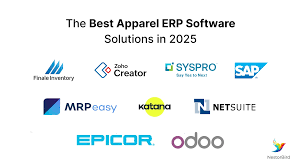
Welcome, fashion entrepreneurs and business owners! If you’re looking to streamline your apparel business operations, you’ve come to the right place. In this article, we will be exploring the top 5 Apparel ERP solutions that can help you manage your inventory, sales, production, and more efficiently. With the right ERP system, you can increase productivity, reduce costs, and improve customer satisfaction. Let’s dive in!
Key Features of the Best Apparel ERP Systems
When it comes to running a successful apparel business, having the right ERP system in place is crucial. The best apparel ERP systems offer a wide range of key features that can help streamline operations, improve efficiency, and boost overall productivity. Here are some of the key features that you should look for when choosing an ERP system for your apparel business.
One of the most important features of the best apparel ERP systems is inventory management. The ability to effectively manage inventory is essential for any apparel business, as it can have a direct impact on costs, sales, and overall profitability. A good ERP system will provide real-time visibility into your inventory levels, allowing you to track stock levels, monitor sales trends, and make informed decisions about when to reorder products. Additionally, features like automated stock notifications and warehouse management tools can help ensure that you always have the right products on hand when you need them.
Another key feature of the best apparel ERP systems is order management. The ability to efficiently process and fulfill customer orders is essential for any apparel business, and a good ERP system can help streamline this process. Features like order tracking, automated order processing, and integration with e-commerce platforms can help ensure that orders are processed quickly and accurately, leading to improved customer satisfaction and increased sales. Additionally, the ability to easily manage returns, exchanges, and refunds can help reduce the administrative burden on your team and improve overall customer service.
One of the key challenges facing apparel businesses is managing complex supply chains and vendor relationships. The best ERP systems offer features like supplier management tools, purchase order management, and supply chain visibility, which can help you effectively manage your relationships with suppliers and ensure that you always have access to the products you need. Additionally, features like demand forecasting and production planning can help you optimize your supply chain processes, reduce lead times, and minimize stockouts, all of which can have a direct impact on your bottom line.
Integration is another key feature to look for in the best apparel ERP systems. The ability to seamlessly integrate your ERP system with other business tools and platforms, such as accounting software, CRM systems, and e-commerce platforms, can help streamline your operations, improve data accuracy, and provide a more complete view of your business performance. Look for an ERP system that offers a range of integration options, including API access, pre-built connectors, and plugins, to ensure that you can easily connect your ERP system with the tools you already use.
In conclusion, the best apparel ERP systems offer a wide range of key features that can help streamline operations, improve efficiency, and boost overall productivity for your business. By choosing an ERP system that offers strong inventory management, order management, supply chain management, and integration capabilities, you can set your apparel business up for success in today’s competitive market.
Benefits of Implementing Apparel ERP in the Fashion Industry
In today’s fast-paced and competitive fashion industry, having an efficient system in place is crucial for success. This is where Apparel ERP (Enterprise Resource Planning) comes in. Implementing an Apparel ERP system can greatly benefit fashion companies in a number of ways.
One of the key benefits of implementing an Apparel ERP system in the fashion industry is the ability to streamline and automate processes. With an ERP system in place, companies can integrate all their business processes into a single, centralized system. This includes everything from inventory management and production planning to sales and financials. By automating these processes, companies can eliminate manual errors, reduce costs, and improve overall efficiency.
Another benefit of Apparel ERP in the fashion industry is improved visibility and transparency. With all data centralized in one system, companies can easily track their operations in real time. This visibility allows for better decision-making and helps companies to quickly identify and address any issues that may arise. Whether it’s tracking the status of an order or monitoring the performance of a particular product line, Apparel ERP provides the necessary insights for informed decision-making.
Additionally, implementing an Apparel ERP system can help companies to better manage their supply chain. By having a centralized system that integrates all aspects of the supply chain, companies can improve communication with suppliers, monitor inventory levels, and optimize sourcing and procurement processes. This enhanced visibility and control over the supply chain can result in reduced lead times, lower costs, and improved customer satisfaction.
Furthermore, Apparel ERP systems can help fashion companies to stay compliant with industry regulations and standards. By having all data stored in one centralized system, companies can easily generate reports and documentation to demonstrate compliance with regulations such as labor standards, environmental standards, and product safety requirements. This not only helps companies to avoid costly fines and penalties, but also enhances their reputation with customers and partners.
Overall, the benefits of implementing Apparel ERP in the fashion industry are numerous. From streamlining processes and improving visibility to enhancing supply chain management and ensuring compliance, Apparel ERP systems offer fashion companies the tools they need to succeed in today’s competitive market. By investing in an ERP system, companies can position themselves for long-term growth and success in the ever-evolving world of fashion.
Top Apparel ERP Solutions for Managing Inventory
When it comes to managing inventory in the apparel industry, having the right ERP solution can make all the difference. From tracking stock levels to optimizing order fulfillment, these top apparel ERP solutions are designed to streamline inventory management processes and improve overall efficiency.
1. SAP Fashion Management:
SAP Fashion Management is a comprehensive ERP solution that is specially designed for the apparel and footwear industry. It offers advanced inventory management features such as real-time tracking of stock levels, automated replenishment, and demand forecasting. With SAP Fashion Management, apparel companies can optimize their inventory levels, reduce stockouts, and improve overall supply chain efficiency.
2. BlueCherry:
BlueCherry is another popular ERP solution for apparel manufacturers and distributors. It offers robust inventory management capabilities, including real-time visibility into inventory levels, automated order management, and integrated demand planning. With BlueCherry, apparel companies can improve accuracy in inventory tracking, reduce excess inventory, and enhance collaboration across the supply chain.
3. ApparelMagic:
ApparelMagic is a cloud-based ERP solution that is specifically tailored for small to mid-sized apparel businesses. It offers a range of inventory management features, including real-time tracking of stock levels, automated order processing, and integration with online sales channels. One of the key benefits of ApparelMagic is its user-friendly interface, which makes it easy for apparel companies to manage their inventory effectively without the need for extensive training or technical expertise.
With ApparelMagic, apparel businesses can easily track their inventory levels, monitor order status, and make informed decisions based on real-time data. The system also offers tools for demand forecasting, vendor management, and warehouse optimization, helping apparel companies to minimize stockouts, reduce excess inventory, and improve overall supply chain efficiency.
In conclusion, having the right ERP solution for managing inventory is crucial for the success of apparel businesses. With features such as real-time tracking, automated order processing, and demand forecasting, these top apparel ERP solutions can help apparel companies streamline their inventory management processes, reduce costs, and improve customer satisfaction. Whether you are a large-scale manufacturer or a small boutique, investing in a reliable ERP solution can make a significant difference in your inventory management practices.
Maximizing Efficiency with Apparel ERP Integration
When it comes to managing an apparel business, efficiency is key to staying competitive in the market. One way to enhance efficiency in your operations is by integrating an Apparel ERP system. This software solution can streamline processes, improve communication, and ultimately increase productivity. Here are four ways in which you can maximize efficiency with Apparel ERP integration:
1. Centralized Data Management: One of the main benefits of using an ERP system for your apparel business is the ability to centralize all your data in one place. This means that all departments can access real-time information, reducing the need for manual data entry and minimizing errors. With centralized data management, you can easily track inventory, monitor sales, and analyze customer data without having to jump through hoops.
2. Automating Routine Tasks: Another way to maximize efficiency with Apparel ERP integration is by automating routine tasks. This can include anything from order processing to inventory management to invoicing. By automating these repetitive tasks, you can free up valuable time for your employees to focus on more strategic activities. This not only improves productivity but also reduces the risk of human error, ultimately leading to a smoother operation.
3. Streamlining Communication: Effective communication is essential for any business, and an ERP system can help streamline communication within your organization. With features such as automated notifications, chat functions, and centralized messaging, employees can easily collaborate on projects, share updates, and provide feedback. This improved communication can lead to faster decision-making, better collaboration, and ultimately, a more efficient workflow.
4. Enhancing Supply Chain Management: One of the key areas where an Apparel ERP system can help maximize efficiency is in supply chain management. By integrating your ERP with suppliers, manufacturers, and distributors, you can create a seamless flow of information throughout the entire supply chain. This allows you to track orders in real-time, optimize inventory levels, and respond quickly to changes in demand. With better visibility and control over your supply chain, you can improve lead times, reduce costs, and ultimately enhance customer satisfaction.
Overall, integrating an Apparel ERP system into your business can significantly improve efficiency and productivity. By centralizing data, automating tasks, streamlining communication, and enhancing supply chain management, you can streamline operations, reduce costs, and ultimately stay ahead of the competition. So, if you want to maximize efficiency in your apparel business, consider investing in an ERP system today.
Choosing the Right Apparel ERP System for Your Business
When it comes to selecting the best apparel ERP system for your business, there are several key factors to consider. The right ERP system can help streamline processes, improve efficiency, and ultimately drive growth for your apparel company. Here are some important considerations to keep in mind when choosing the right apparel ERP system for your business:
1. Industry-Specific Features: One of the most important factors to consider when choosing an ERP system for your apparel business is whether it offers industry-specific features. Look for a system that is tailored to the needs of the apparel industry, with features like product lifecycle management, demand forecasting, and supply chain management.
2. Scalability: As your apparel business grows, you’ll need an ERP system that can scale with your company. Make sure to choose a system that can handle your current needs and can easily accommodate future growth without requiring a complete system overhaul.
3. Integration Capabilities: Your ERP system should be able to integrate seamlessly with other software applications that are essential to your business operations, such as inventory management systems, e-commerce platforms, and financial software. Look for a system that offers easy integration capabilities to streamline your processes.
4. User-Friendly Interface: A user-friendly interface is crucial when choosing an ERP system for your apparel business. Your employees will be using the system on a daily basis, so it’s important that it is intuitive and easy to navigate. Look for a system that offers a clean and simple interface that is easy for your team to learn and use.
5. Customization Options: When selecting an apparel ERP system, it’s important to consider the level of customization that is available. Every apparel business is unique, and you’ll want a system that can be tailored to meet your specific needs. Look for a system that offers customization options, allowing you to configure the system to align with your business processes and workflows. This will ensure that the ERP system can adapt to your company’s specific requirements and help you achieve your business goals.
By considering these key factors when choosing an apparel ERP system for your business, you can select a system that will help streamline your operations, improve efficiency, and drive growth for your apparel company.